
After India’s pace attack’s demolition job of Bangladesh at Indore, since backed up by another under lights at Kolkata, bowling coach Bharat Arun was lavish yet specific in his praise of Mohammed Shami, who had just taken 7/58 in the match. Fittingly for someone so focused on fine details, Arun kept his praise technical, describing Shami as having ‘probably the best seam position’ of any bowler in the world.
Is Arun right? Who are the contenders for the crown? What even constitutes a ‘good’ seam position, and thus the ‘best’? We shall endeavour to answer these questions through the oh-so-scientific medium of photos and Youtube videos of the 10 best male* wielders of a seam around at the moment - agree with the rankings, disagree with them, come up with your own, but first, sit back and enjoy numbers 10-6.
*I’ve limited myself to men’s Test cricket - seam bowling in ODI and T20 cricket has its own set of distinct skills, and sadly I’m simply not knowledgeable enough about women’s cricket to make a credible list.
———
NUMBER 10: KEMAR ROACH (WEST INDIES)
Barbados’ Kemar Roach was always quick. He was always possessed of an awkward angle from wide of the crease and, as Jonny Bairstow can attest to, a slippery bouncer. But in the last few years he’s taken his game to new heights: since he returned to Test cricket in August 2017, only Pat Cummins and Kagiso Rabada have taken more wickets at a better average.
While the pitches in the Caribbean have undoubtedly got better for fast bowling, Roach and his coaches have done significant work on his own technique. One in particular that’s been highlighted is his landing position at the crease, which has improved significantly:
This more stable base has made Roach much more balanced at the crease, given him much more control, and allowed him to generate steep bounce from a length and seam movement against the natural angle created by his open-chested run up and approach. His 5/17 against England on his home island early this year included Burns and Bairstow bowled off lifters that hit bat face and elbow respectively, but it was one to Burns that missed everything in the first over of that innings that best demonstrates what he can do out of the hand:



From release to pitch to whistling past Burns’ defensively proffered bat, a sharp angle opposed to that at which Roach delivers the ball - it comes in, it goes out, and Burns is left groping at thin air.
See also this two-ball sequence from the Sabina Park Test against India in early September, where he dismisses KL Rahul and Virat Kohli with consecutive balls that seam away sharply:
But for all his skill, Roach is not immune from sending them down with an inadvertently scrambled seam. So he slots in below an out-and-out swing bowler who, in red ball cricket at least, can ill-afford such luxuries…
———
NUMBER 9: TIM SOUTHEE (NEW ZEALAND)
I considered having Southee share the number 9 slot with the man he shares the new ball with so brilliantly for the BlackCaps. Trent Boult eventually missed out on this list because his quick, whippy left-arm action means seam position is less crucial to his success than it is to Southee’s, but consider his hat-trick against Australia at this year’s World Cup an honourable mention. (Go watch the clip, it’s so good.)
But Southee is not a left-armer with a whipcrack action. He’s not as quick as Boult, let alone Roach. Were it not for his seam position, wrist and fingers working perfectly to control the release, Southee might just be another tall-ish, quick-ish, straight-up-and-down right-arm seamer. Instead, he’s taken 256 Test wickets at 29.89, in large part because his release is so good and he understands it so well that he can pick it apart and put it back together at will. He does just that in this masterclass with Ian Bishop (who knows a thing or two about fast bowling):
It will be news to Jonny Bairstow and his stumps that Southee can’t bowl an inswinger (I swear I’m not picking on poor Jonny). While many of Southee’s most famous moments have come against England - his sparkling all-round debut in Napier, his match 10-for at Lord’s, his World Cup 7-for in Wellington - it’s in two Test tours of Sri Lanka 7 years apart that you see the full range of his craft and how it has evolved over the years. Swing, cutters, bouncers, it’s all there - including that perfectly angled seam slicing through the air towards the batter.
In addition to his skill and outswing-friendly action, Southee is tall, and though not express pace is certainly brisk. The same cannot be said for the next two on the list - both below 6 foot, both firmly medium-fast, and both with numbers that make you sit up and pay attention.
———
NUMBER 8: MOHAMMAD ABBAS (PAKISTAN)
The very definition of a ten-year overnight success, Abbas toiled through a young adulthood working in a leather factory and as a law firm’s clerk before breaking into professional cricket. While Pakistani first-class wickets have become if anything too seamer friendly in recent years, when Abbas was coming up they were largely unyielding and unresponsive to all but the very fastest (insert comment about production line of Pakistan fast bowlers here)…or the very best.
Abbas proved beyond any doubt that he was the best at first-class level. His Quaid-e-Azam numbers in the three years before he finally made his Test debut were an absurd 169 wickets in 27 games at an average of 14.54. And so, in April 2017 he got his chance at international level, and the results have been spectacular: nobody who’s played 10 or more Tests since Abbas’ debut has a better average than his 18.86.
In fact, he’s not only today good, he’s multi-generationally good. Applying a minimum of 2,000 balls to take out extremely small sample sizes (like Alastair Cook), Abbas’s average is the 13th best of all-time, the 5th best post-1900, and the 2nd best since the 2nd World War. The most recent player above him, Frank Tyson, retired 31 years before Abbas was born and died 2 years before he debuted.
Abbas isn’t quick. He isn’t tall. He doesn’t generate steepling bounce from a length or banana swing. So how does he do it?
Like this:
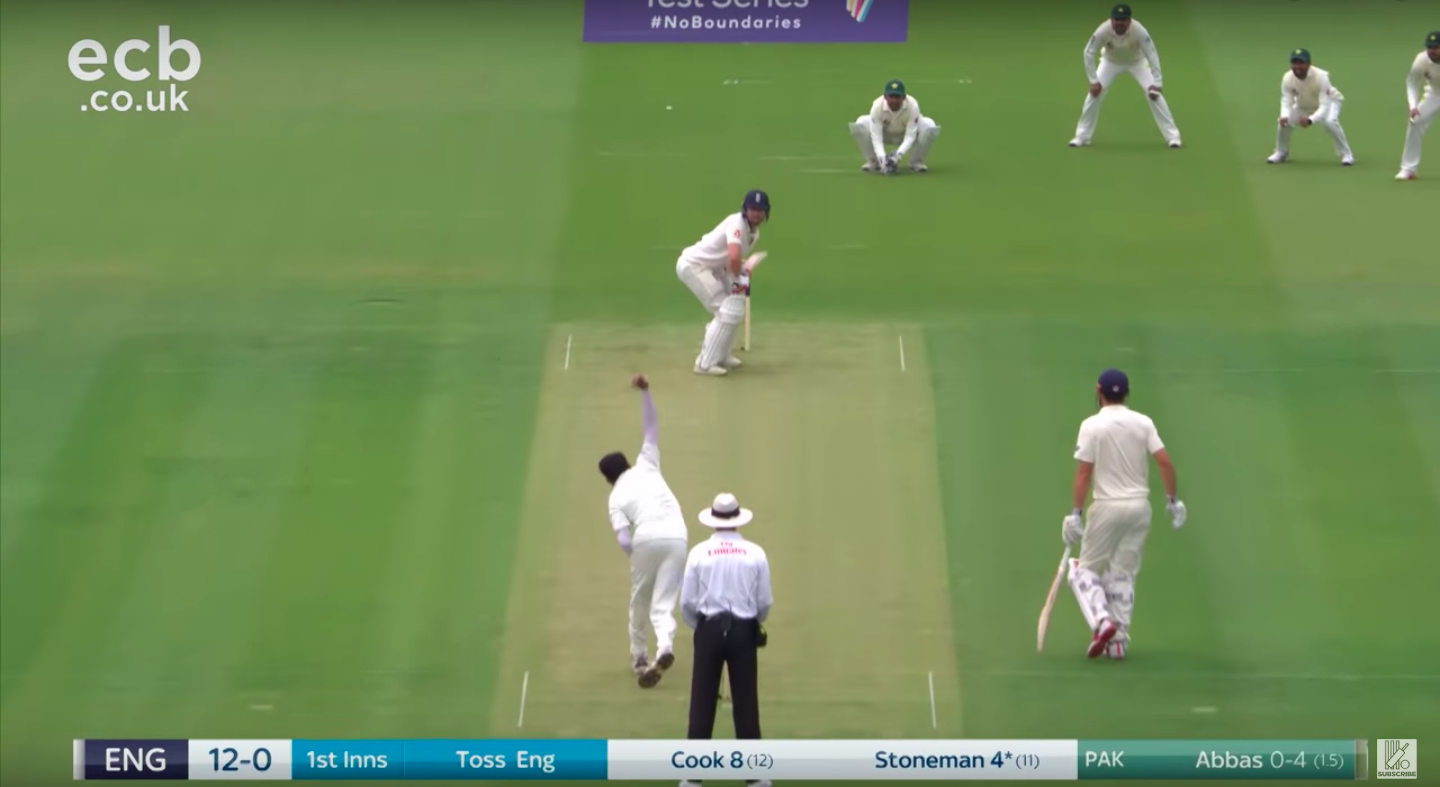

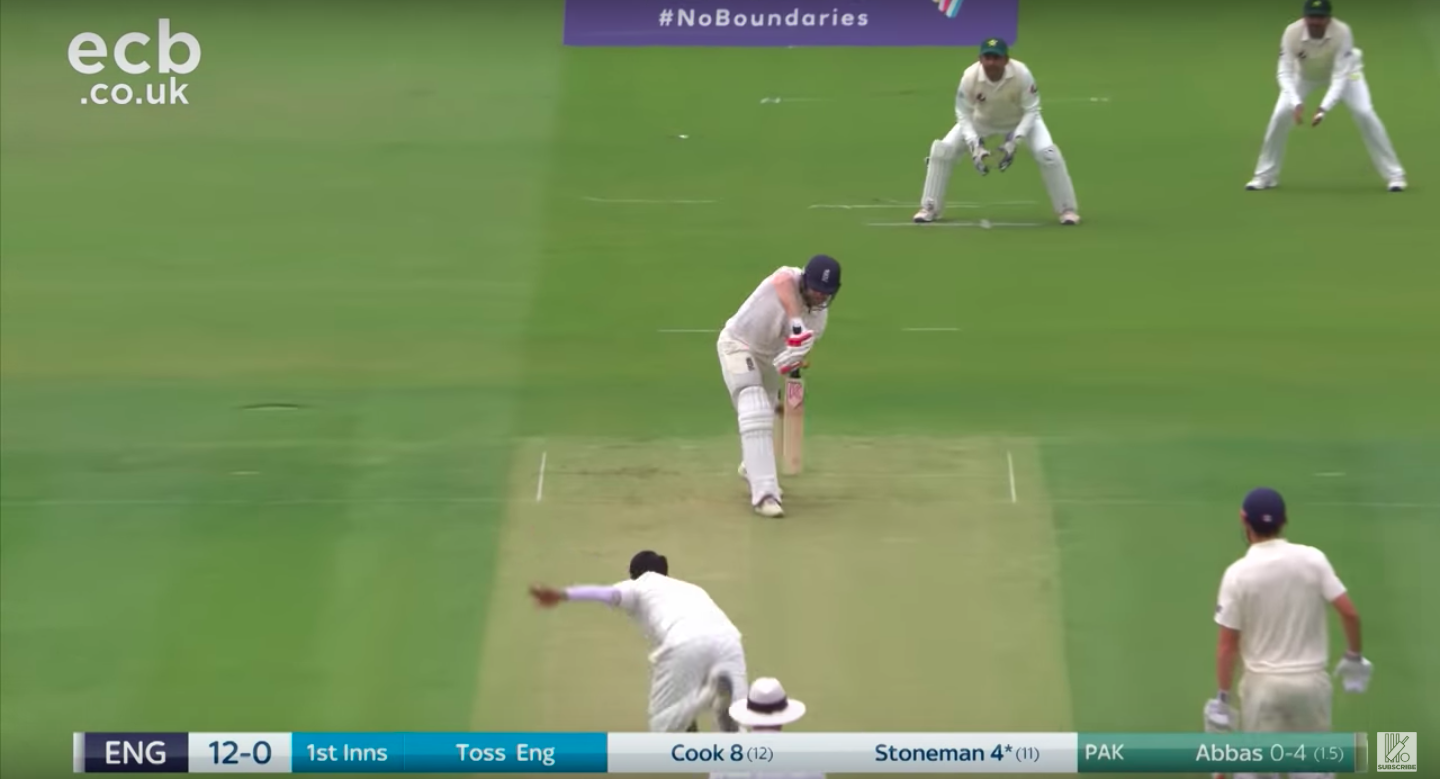
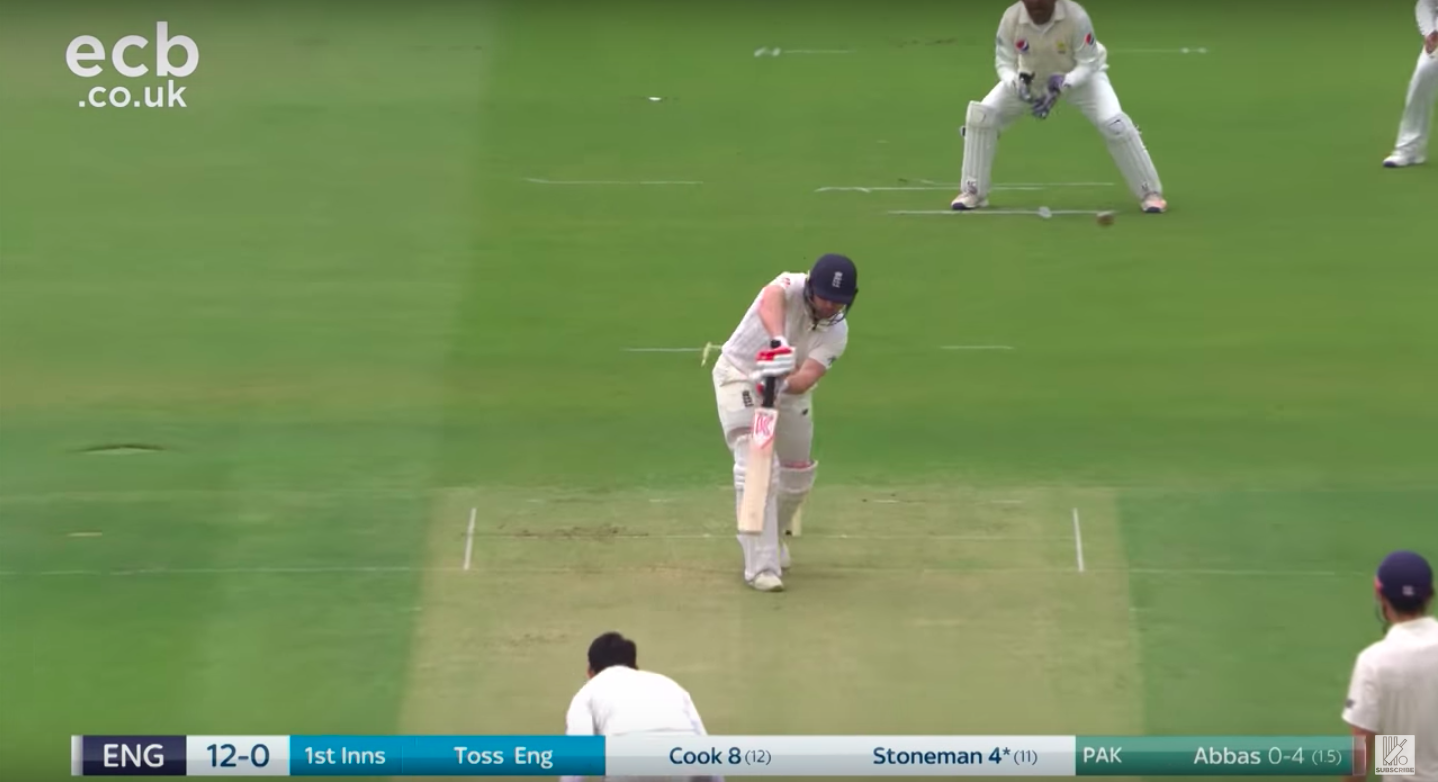
Mark Stoneman’s Test career wasn’t a huge success, but he’s a player with solid first-class numbers and a sound defensive technique. You can see from front on that, a bit like a spinner beating the batter in the flight, Abbas has forced a misjudgement of length - Stoneman’s been caught on the crease despite the ball being well-pitched up. It should also be noted that this is Abbas’s second ever over at Lord’s, where plenty of very skilful bowlers have taken multiple games to work out the vagaries of the slope.
When we look from the reverse angle, we see how Abbas uses his wrist to create that slightly fuller length, and how he angles the seam to misalign the batter and create the smallest of gaps between bat and pad:


Abbas’ wrist flicks downwards at the point of release, just like that other great exponent of the Lords’s slope Glenn McGrath. There’s the tiniest hint of wobble, but the ball is held with the seam pointed towards first slip for the left-hander and remains thus well after release.
What does all this mean? It means Abbas’s control of his release is so good that he can beat a Test opener playing a defensive shot on the inside edge with an outswinger. No wonder he took his first 59 Test wickets at 15.64 - which is a neat if oddly numerically specific segue into closing with this supercut someone made of all of those 59 wickets. Isn’t Youtube brilliant?
Your guess is as good as mine (or Osman Samiuddin’s) on why Abbas was left out of the Gabba Test.
Moving on up the list, let’s deep dive into the modern era’s other great wobble-seamed artist…
———
NUMBER 7: VERNON PHILANDER (SOUTH AFRICA)
Where Abbas isn’t quick, Philander is almost medium-pace. Where Abbas is slight and unassuming, Philander has a genuine dad-bod. Where Abbas has the best bowling average in 60 years, since Philander debuted nobody has taken more Test wickets at a better average, strike rate or economy rate.
We’ll get onto Big Vern’s skill in a moment, but we should take a second to marvel at his longevity. He made his professional debut 15 years ago (incidentally, did you know he made his List A debut for English minor county Devon? Now you do), and has for most of his 12-year international cricket played all 3 formats. There have been other long-lived fast bowlers - we mentioned McGrath in dispatches when talking about Abbas, we’ll get onto James Anderson later (spoiler alert), and it’d be remiss of us not the gold standard for keeping on keeping on, Courtney Walsh - but Anderson is a physical freak, and McGrath and Walsh had easy, long-striding rhythmical actions and tall frames to match. Philander matches none of these descriptions, and yet on he goes.
Being around for so long should mean you get worked out. And, whether because batters around the world did indeed wise up to him or because of injuries, 2014 and 2015 were tough years, yielding just 21 wickets in 12 Tests at 44.38. But Philander is a modern great, and greats bounce back - since the start of 2016, he’s taken 90 wickets in 28 Tests at 22.27.
One might think, with his lack of pace and bouncer, he’d struggle on harder, flatter wickets where the ball doesn’t move much laterally. Like, say, Australia…
So much for that theory. When opposition digital teams are doing special videos on how much of a threat you are, you’re doing okay. And it was against Australia that the legend of Big Vern began, in that madcap Newlands Test in November 2011…
Pay special attention to the dismissal of Ricky Ponting. See how beautifully upright the seam stays on release and on its way down the track:


That bolt upright seam allowed Philander to extract the sharp seam into Ponting that exploited the great Australian no.3’s only glaring weakness - his big initial step to the offside with his front foot that could leave him vulnerable to falling over himself. Thus a star was born, and over the last eight years his skill and accuracy has firmly established himself in the fast bowling firmament.
We’ve discussed a couple of bowlers for whom a strong seam position has meant they’ve had success despite a lack of pace. The same cannot be said to any degree for numbers 6 and 5 on our list…
———
NUMBER 6: JASPRIT BUMRAH (INDIA)
From a skinny kid who lost his father aged 8, and who had his ACL and meniscus reconstructed aged 18, Jasprit Bumrah has come a long way very, very fast. Even in India colours, it took him barely a year and a half to go from ‘that guy with the odd action’ to one of the most feared white-ball bowlers around.
We saw the yorkers. We saw the sharp bounce from a length. We saw the seamless changes between blistering pace and teasing slower balls. But until he made his Test debut at Newlands in January 2018, what we maybe didn’t quite appreciate was the skill. Bumrah soon changed all that.
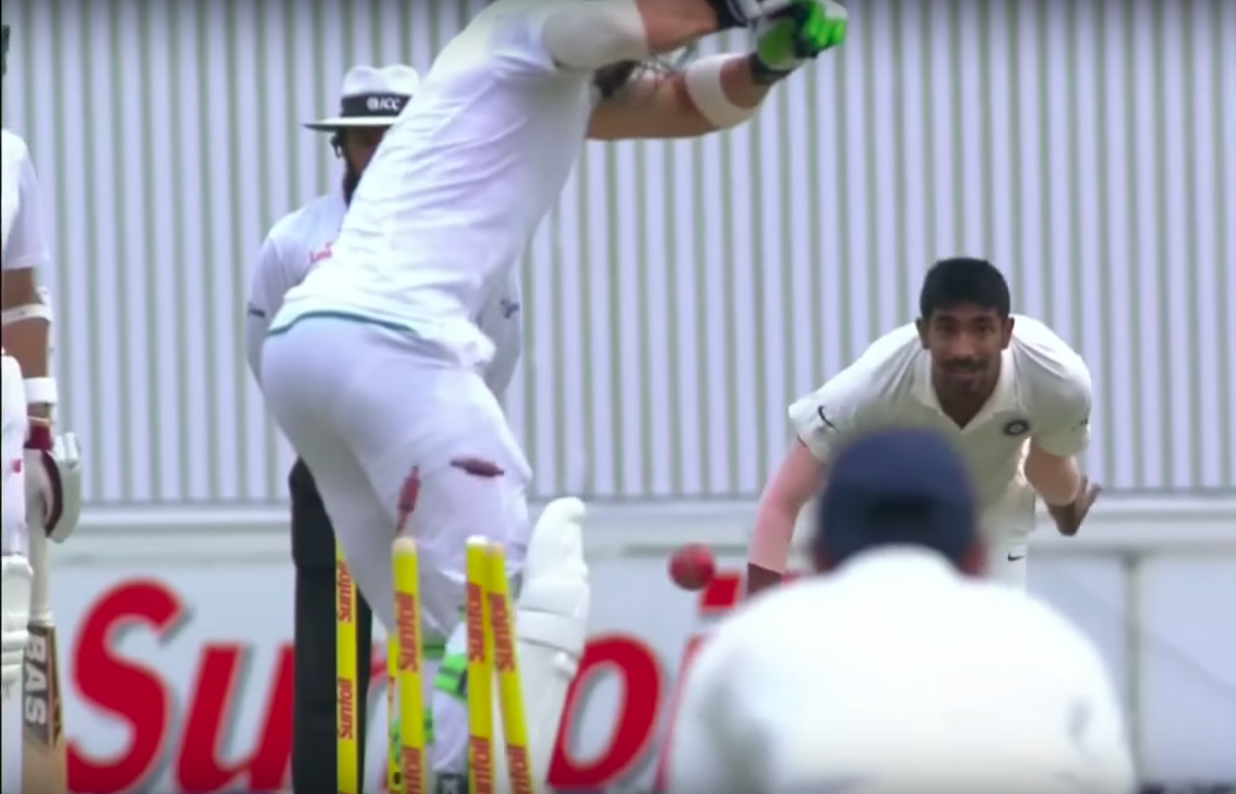
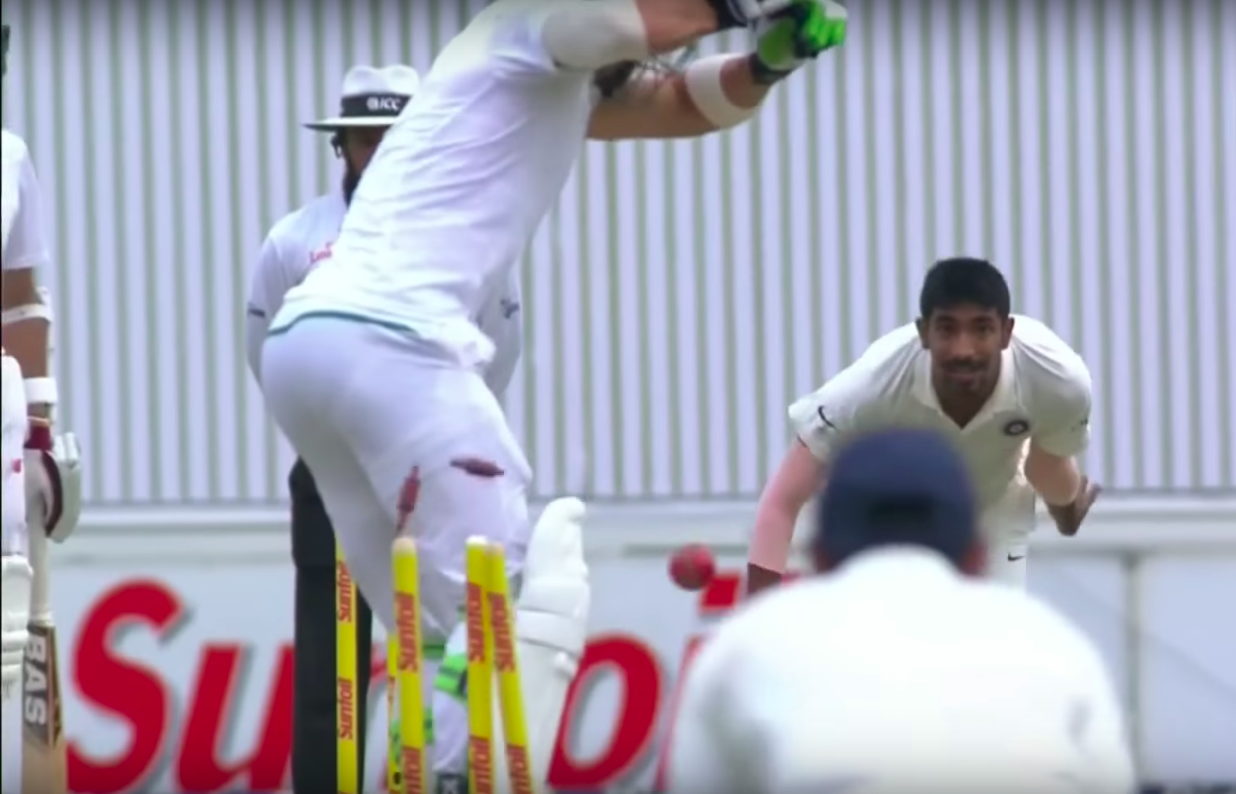
His natural angle, front on from wide of the crease, slants the ball in to the right-hander. But to swing, nay, boomerang the ball in? That takes more than just a natural angle, and as Faf du Plessis found to his cost at the Wanderers, Bumrah’s got it:
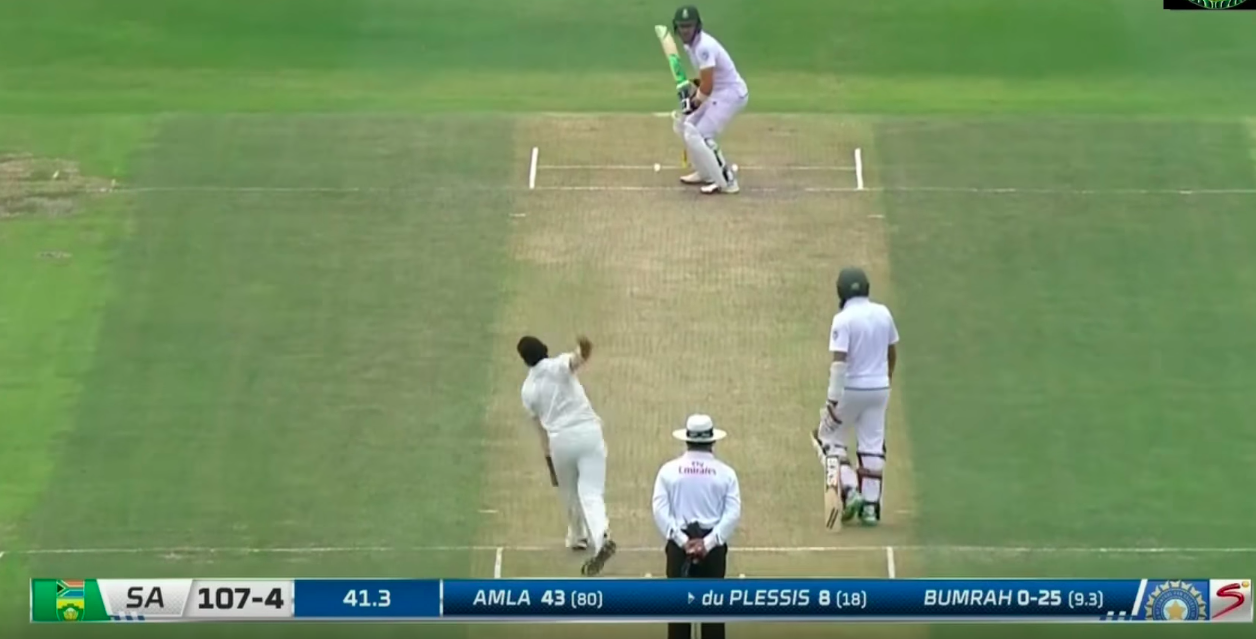
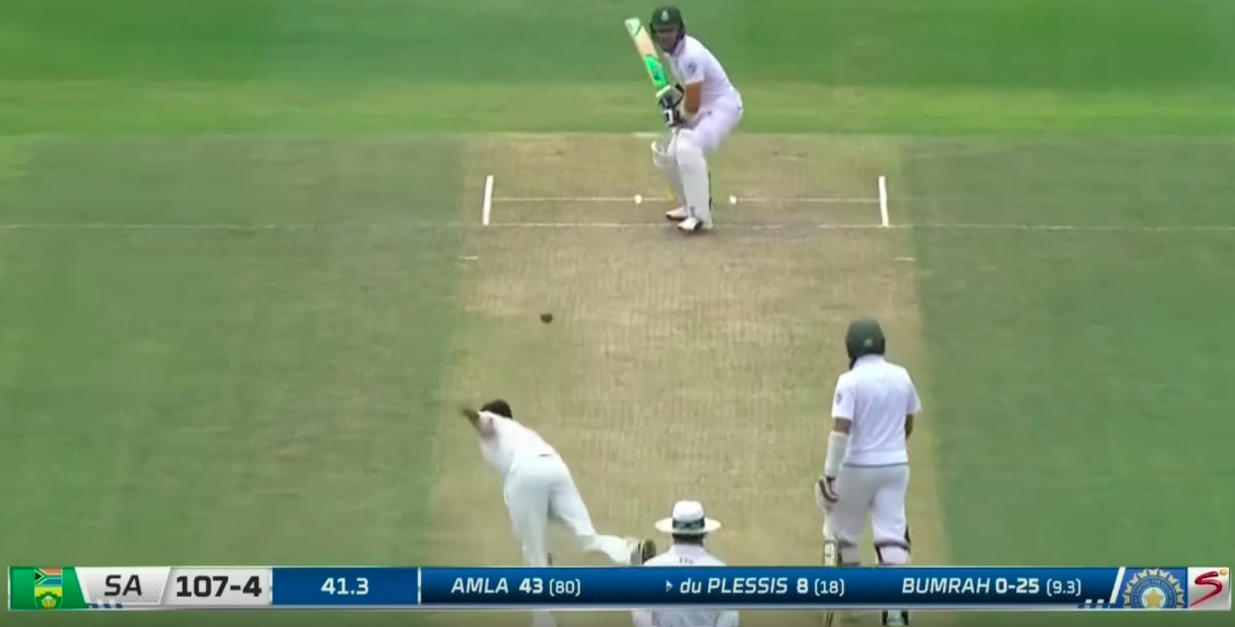
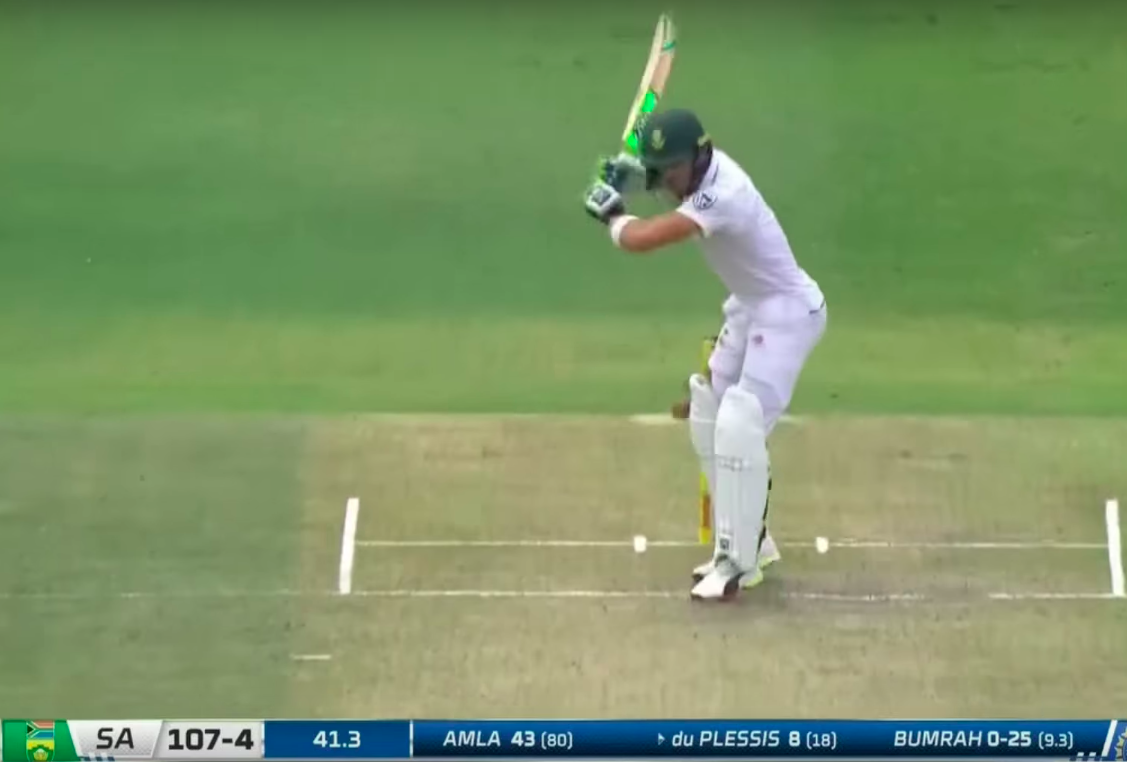
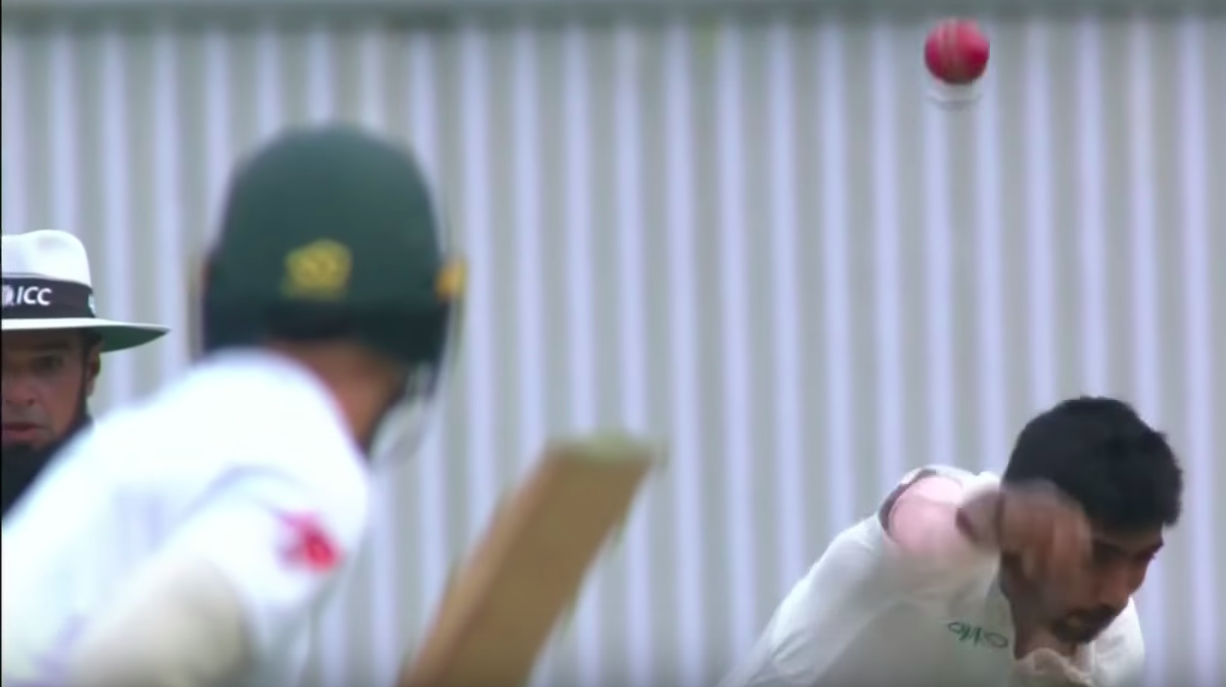
Bumrah’s exceptional position at the point of delivery, front knee firmly braced and back leg powering through, and strong cocked wrist allow him to keep the seam upright and turn an awkward but predictable inward angle into sharp late swing. Take a look at Bumrah’s release, and then the seam as this ball arrows towards Faf’s off-stump. Oh, and for fun, the look on Bumrah’s face as he sees the bails fly:

A few months later when India came to England, the inswinger was gaining notoriety. England’s left-handed openers, already bedevilled by Ishant Sharma moving the ball away from round the wicket, must have thought this was plenty enough to be worrying about when Bumrah burst into the series with a victory-sealing five-for at Trent Bridge. But Bumrah had another trick up his Tubigripped sleeve, and at Southampton poor Keaton Jennings was its first victim (please ignore the crass clickbaity title of this video):
Bumrah knew that with his action, a genuine outswinger would mess with batters’ angles and push him up several notches as a bowler. He’d been working on one for two years, but this was the first time he’d bowled it in international cricket, and it came out fully-formed and deadly.
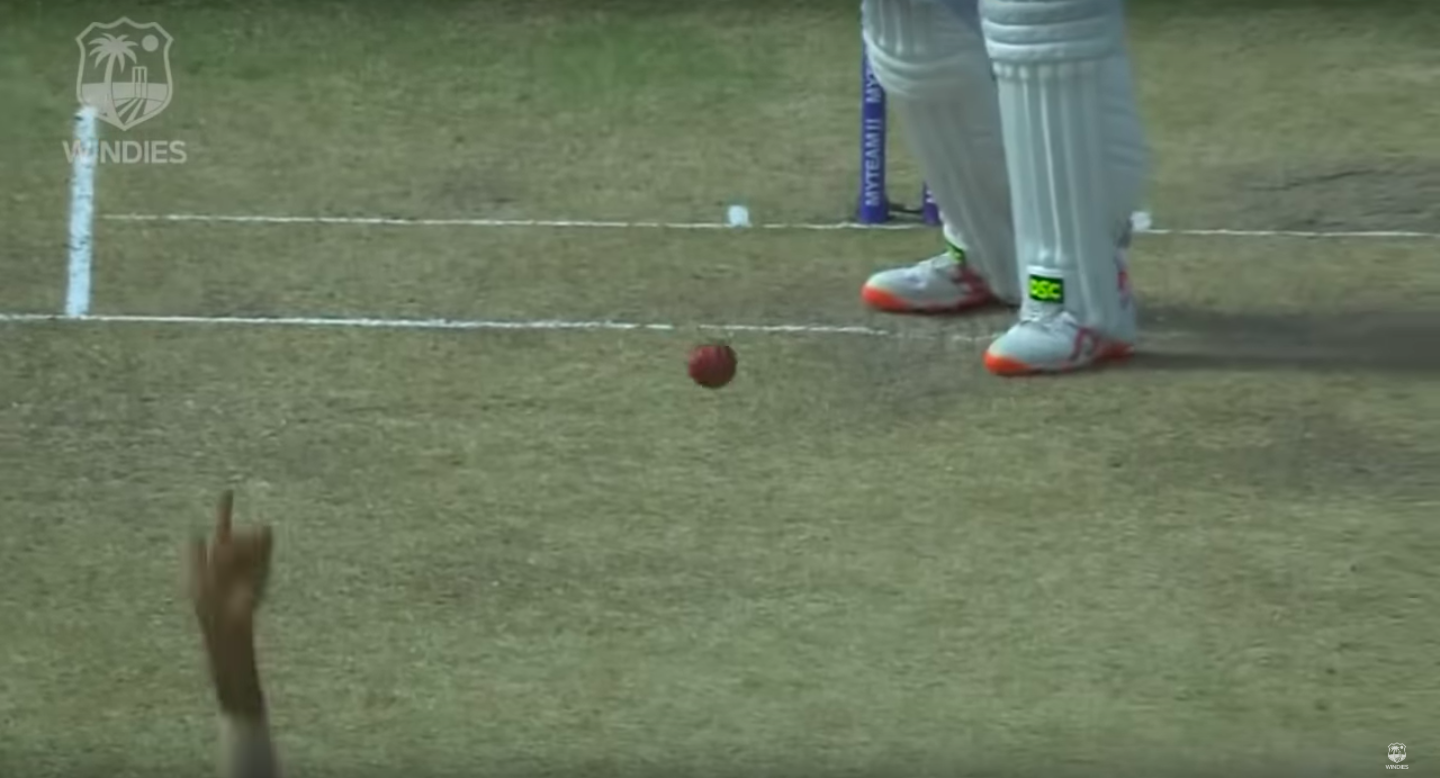
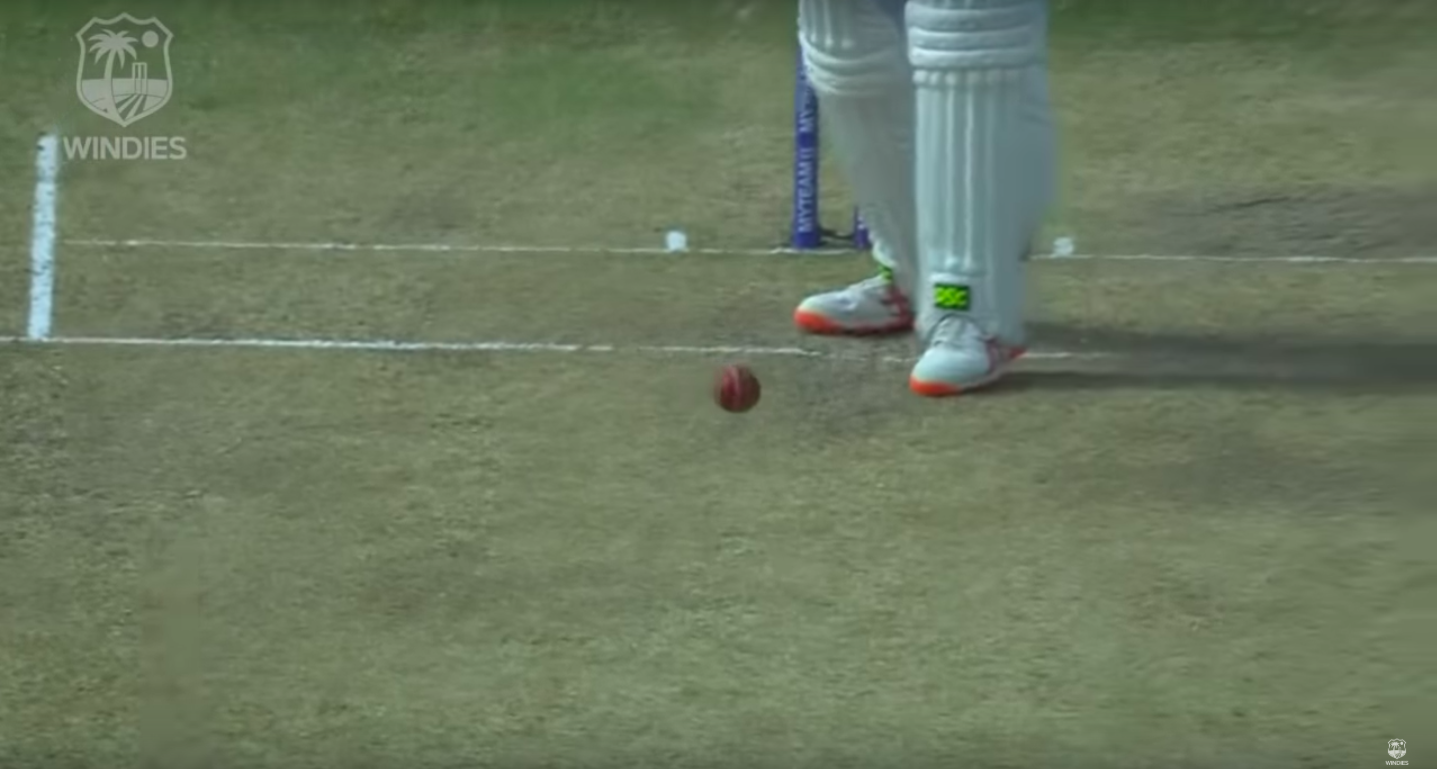
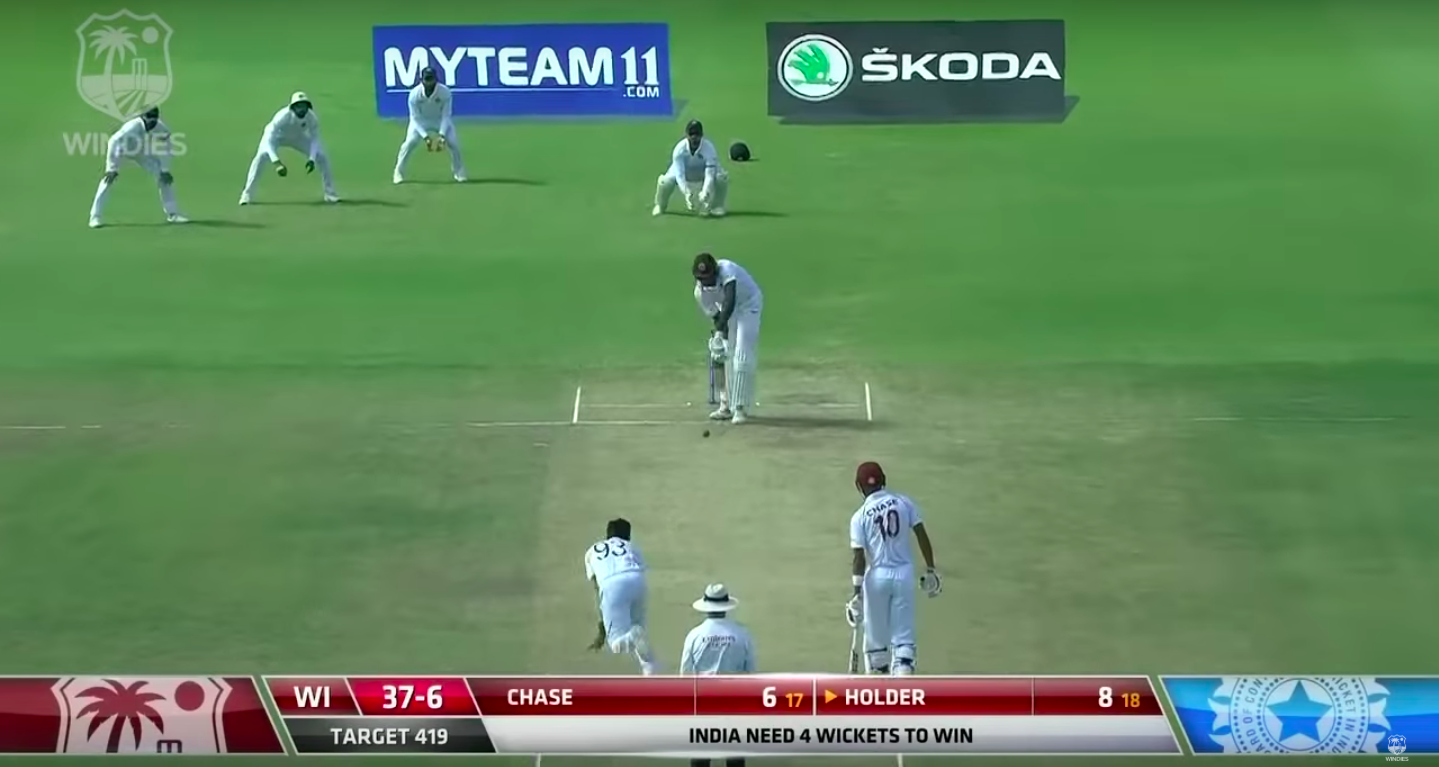
A year later, with another match-winning away five-for under his belt, this time at the MCG, Bumrah brought the outswinger out to play again, and this time in earnest. In the second innings at Antigua, 70% of his deliveries swung away from the right-hander/into the left-hander, and the results…well, just ask the West indies top order.
The outswinging yorker to Jason Holder deserves some unpicking, not least because its almost too quick to see with the naked eye. For all Bumrah’s lock-limbed unorthodoxy, this is the slip-angled seam position of the classic outswinger. It goes so late that by the time Holder catches up with the line, the ball has already hit the stumps:

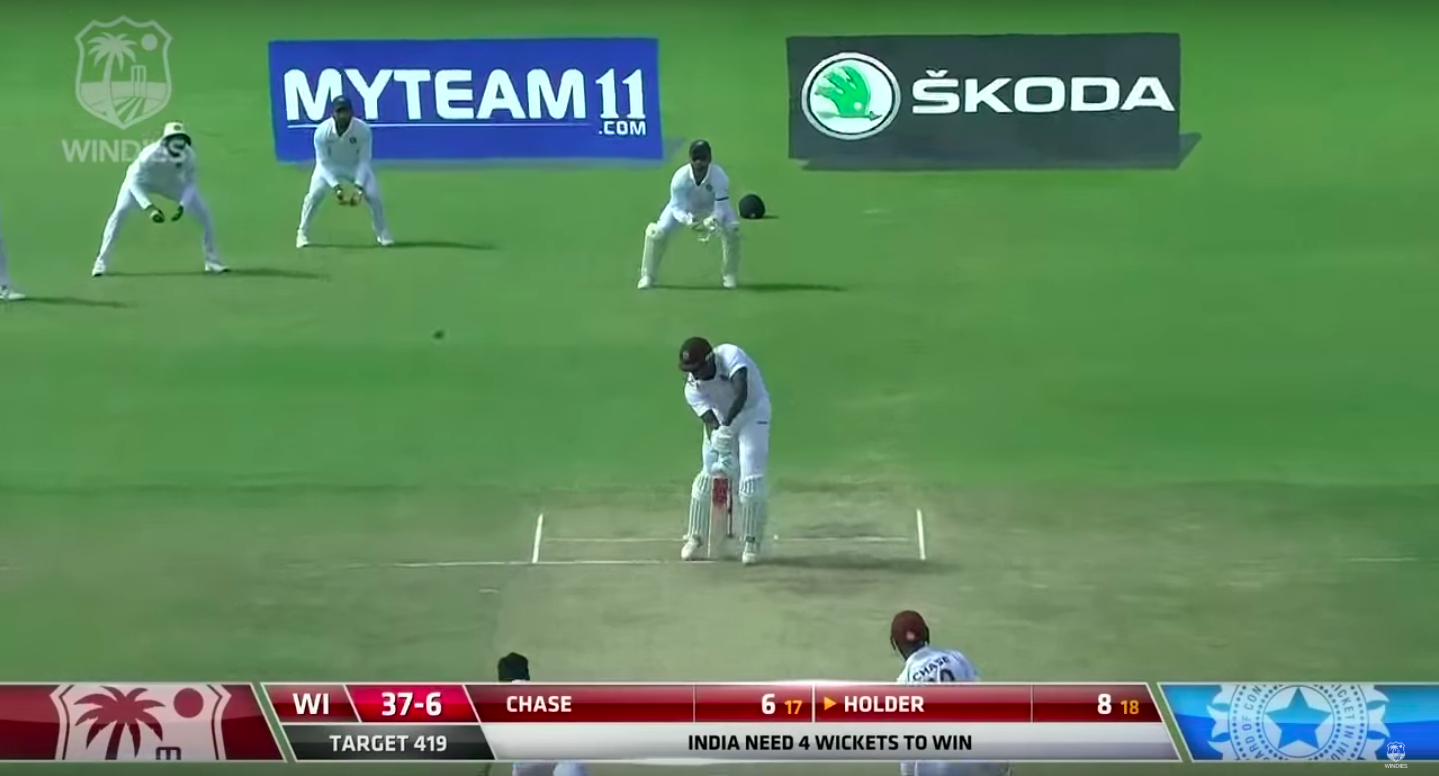
It’s scary to think that Bumrah is only 12 Tests into his career, and that none of them have been on the subcontinent. India’s newfound pace dominance at home is only just beginning.
Speaking of the historically punishing job of bowling fast in India, it was in precisely these circumstances that number 5 on our list re-emerged: reborn, rebuilt, and ready.
But he and the rest of the top 5 will have to wait until Part Two! Who do you think will make our 1st-5th position? Does anyone from 6-10 deserve to be higher up? Is there someone from the past you think could challenge these modern greats? Have at it in the comments and on Twitter, and see you soon with Part Two!